When hurricane season is
The Atlantic hurricane season runs from June 1 to November 30. The peak is around September 10, with most storms between mid-August and mid-October. (Source: National Hurricane Center)
Most moves in those months go off without a hitch. The bigger day-to-day issue is the afternoon thunderstorm: in summer, rain often rolls in after lunch, so morning starts are best.
Picking your moving date
- Start early in the day. A morning start gets most of the loading done before the afternoon storms.
- Leave a little room on both ends. If you can, avoid a move-out date that is also your lease end or closing date. A day or two of overlap gives you somewhere to go if the weather turns.
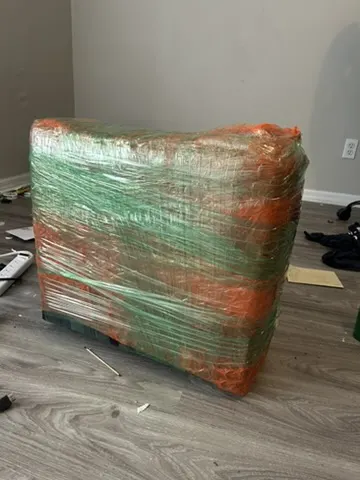
- Book a Wrap Day. With everything padded and shrink wrapped the day before, moving day is shorter, so there's less time for weather to cause trouble. See packages.
If a storm is forecast for your moving day
- Watch the National Hurricane Center forecast as soon as a storm forms, not the day before.
- Call us at 352-398-9026 as soon as your date looks risky. Moving a date a few days out is much easier than the night before.
- Talk to your landlord, buyer or seller about flexibility on keys and closing.
- Follow county evacuation orders. No move is worth driving a loaded truck into a storm.
Keeping your things dry
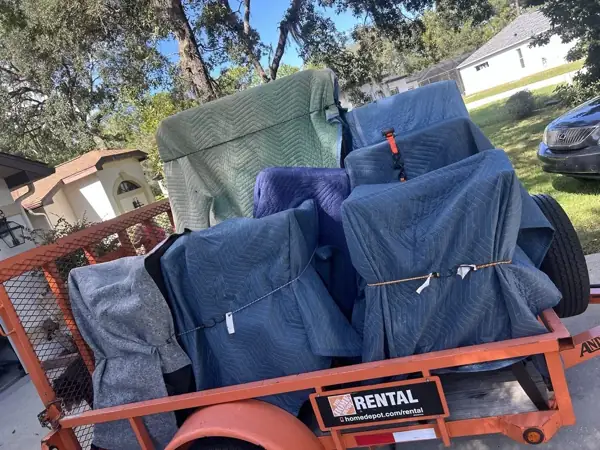
- We pad every piece with moving blankets, and shrink wrap adds a layer against light rain between the door and the truck.
- Pack electronics, documents and photos in plastic bins rather than cardboard.
- Keep a dry box for moving day: chargers, medicines, paperwork, a flashlight and batteries.
- Have towels and a mat ready at both doors so wet shoes don't track across floors.
After you move in
- Learn your new evacuation zone from your county's emergency management office.
- Stock water, batteries and non-perishable food before the next storm, not during it.
- Photograph your belongings once they're unpacked. It helps with any insurance claim later.